Low Water Pressure in an Older Seattle Home: Is Galvanized Pipe the Problem?
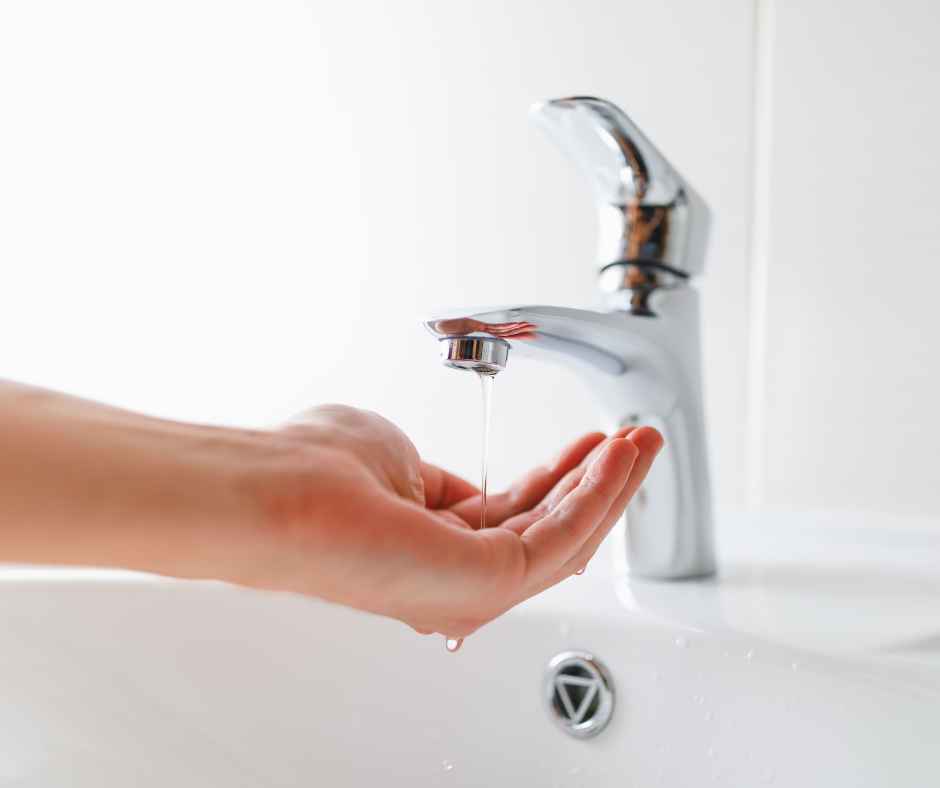
Low water pressure can make everyday tasks frustrating. Showers feel weak, faucets take longer to fill a sink, and running more than one fixture at a time may reduce water flow throughout the house.
In older Seattle homes, aging galvanized pipes are one possible cause. These pipes can corrode and narrow internally even when they appear acceptable from the outside. However, low water pressure may also result from a clogged fixture, a failing pressure regulator, a partially closed valve, a hidden leak, or a restricted service line.
In this guide, we will explain how galvanized plumbing affects water flow, how to recognize the warning signs, and when partial or whole-home repiping may be the most practical solution.
Why Galvanized Plumbing Is Common in Older Seattle Homes
Galvanized steel was once a common material for residential water supply piping. The steel was coated with zinc to help reduce rust and corrosion.
Many older Seattle houses were originally built with galvanized plumbing. Over the years, some sections may have been replaced during repairs or remodeling while others remained in place.
A home may now contain a mixture of:
- Galvanized steel
- Copper
- PEX
- Older repair fittings
- Sections installed during different renovations
Mixed plumbing is not automatically a problem. The condition and internal diameter of the remaining galvanized sections matter more than the presence of newer material elsewhere.
What Happens Inside Galvanized Water Pipes?
The protective zinc coating inside galvanized pipe wears down over time. Once the underlying steel becomes exposed, corrosion can develop.
Rust, mineral deposits, and sediment gradually collect on the interior walls. This reduces the space available for water to move through the pipe.
A pipe that originally had a wide opening may eventually have only a narrow passage remaining. From the outside, the pipe may still look relatively solid.
Internal restriction can lead to:
- Reduced water flow
- Rust-colored water
- Clogged faucet aerators
- Uneven pressure between fixtures
- Increased stress on aging joints
- Small leaks that become more frequent
The problem usually develops gradually, which is why homeowners may not notice how much flow has been lost until the plumbing is compared with a newer system.
How Galvanized Pipes Cause Low Water Pressure
Homeowners often describe the problem as low pressure, but the issue may actually be restricted flow.
Pressure refers to the force moving water through the system. Flow refers to the amount of water that can pass through the pipe.
A heavily corroded galvanized pipe may still contain pressurized water. The narrow interior simply cannot deliver enough volume when a fixture is opened.
The symptoms often become more noticeable when:
- Someone showers while the washing machine runs
- Two faucets are used at once
- A toilet refills while another fixture is open
- Water must travel to an upper floor
- A fixture is far from the main supply
The pressure may appear acceptable with one faucet running and then drop sharply when another fixture is used.
Signs Galvanized Pipes May Be the Problem
Galvanized plumbing may be contributing to low water flow if you notice:
- Weak flow at several fixtures
- Pressure dropping when another faucet opens
- Rusty or brown water
- Frequent sediment in aerators
- Visible corrosion on exposed pipes
- Repeated pinhole leaks
- Poor flow on upper floors
- Older galvanized piping throughout the home
- Temporary improvement after cleaning an aerator
- Different pressure in renovated and unrenovated areas
Rust-colored water after the plumbing has been unused may also point to corrosion, though discoloration can have other causes.
A professional inspection is needed before assuming all galvanized piping must be replaced.
One Weak Fixture Versus Low Pressure Throughout the Home
The number of affected fixtures provides an important clue.
If only one faucet or shower has poor flow, the problem may be local. Common causes include:
- A clogged faucet aerator
- A restricted showerhead
- A failing cartridge
- A partially closed shutoff valve
- A kinked supply line
- Sediment trapped inside the fixture
If the whole house has weak flow, the cause may involve:
- The main shutoff valve
- The pressure regulator
- The water service line
- Widespread galvanized pipe restriction
- A large hidden leak
- Municipal supply conditions
Replacing all of the plumbing would not make sense if the real issue is a clogged showerhead or failed regulator. Diagnosis should come first.
Why Hot and Cold Water May Behave Differently
Comparing hot and cold water flow can help narrow down the source.
If both hot and cold water are weak at several fixtures, the restriction may be located in the main service line or shared cold-water piping.
If only the hot side is weak, the issue may involve:
- The water heater
- A partially closed water heater valve
- Sediment buildup
- Restricted hot-water piping
- A damaged fixture cartridge
- Corrosion near the water heater connections
If only one side of one faucet is weak, the problem is likely close to that fixture.
These comparisons help a plumber determine whether the issue is isolated or spread across the home.
Other Causes of Low Water Pressure
Galvanized pipe is not the only explanation for poor water flow.
Other possible causes include:
- A partially closed main shutoff valve
- A failing pressure-reducing valve
- A hidden plumbing leak
- A clogged meter or service connection
- Mineral buildup inside fixtures
- Water heater sediment
- Damaged supply lines
- Temporary utility work
- Changes in neighborhood water demand
- An undersized plumbing system
A hidden leak may be especially concerning if low pressure appears suddenly rather than gradually.
Watch for unexplained increases in water use, damp walls, wet flooring, foundation moisture, or the sound of running water when fixtures are off.
Could the Main Water Service Line Be Restricted?
The service line carries water from the municipal connection into the home.
In some older properties, this buried line may also be galvanized. Corrosion inside the service line can reduce flow before water reaches the home’s interior plumbing.
A restricted service line may cause:
- Weak pressure throughout the house
- Significant drops when several fixtures run
- Poor flow at fixtures near and far from the entry point
- Little improvement after interior repairs
The service line may also leak, become damaged by soil movement, or contain an older shutoff valve that no longer opens fully.
A plumber may need to evaluate both the interior piping and the line entering the home.
Why Cleaning Galvanized Pipes Is Usually Not a Lasting Fix
Cleaning a fixture or replacing a short clogged section may improve flow temporarily. Trying to clean corrosion from an entire galvanized system is usually less effective.
The restriction may extend through many feet of pipe. Removing buildup from one area does not restore the remaining sections.
Disturbing heavily corroded plumbing may also:
- Loosen rust and debris
- Clog fixtures farther downstream
- Expose weak pipe walls
- Contribute to new leaks
- Damage fragile joints
Once corrosion is widespread, replacement is generally more reliable than repeatedly addressing isolated restrictions.
Can Only the Worst Sections Be Replaced?
Partial repiping may make sense when the problem is limited to one branch or one damaged section.
For example, replacing a restricted line serving one bathroom may improve that area. This approach may also be practical during a focused remodeling project.
However, connecting a new pipe to heavily restricted galvanized plumbing can limit the result. Water must still pass through the old narrowed sections before reaching the new pipe.
Partial replacement may provide limited value when:
- Low flow affects the whole house
- Corrosion is visible in several areas
- Leaks are becoming more frequent
- Multiple branches are restricted
- The service line is also galvanized
- Previous partial repairs have not solved the problem
The plumber should explain whether the proposed work addresses the source of the restriction or only one symptom.
When Whole-Home Repiping May Make More Sense
Whole-home repiping may be worth considering when galvanized plumbing is causing widespread problems.
Common reasons include:
- Low flow throughout the house
- Repeated leaks
- Extensive corrosion
- Rust-colored water
- Multiple restricted branches
- Aging pipe materials in many areas
- Frequent plumbing repairs
- Planned kitchen or bathroom remodeling
Repiping can improve water delivery and remove deteriorated supply lines before they fail in additional locations.
The project does not necessarily require removing every wall. Plumbers often plan new routes through basements, crawlspaces, ceilings, closets, and other accessible areas to reduce disruption.
What Materials Can Replace Galvanized Pipe?
Copper and PEX are two common replacement options.
Copper is a rigid metal pipe with a long history in residential plumbing. It may be a good choice in certain exposed areas or where local conditions and project requirements support its use.
PEX is flexible plastic piping that can be routed with fewer fittings. Its flexibility may help reduce the number of access openings needed in an older home.
The right option depends on:
- Plumbing layout
- Local requirements
- Water conditions
- Pipe routing
- Accessibility
- Budget
- Homeowner preferences
Some repiping projects use one primary material, while others combine materials where appropriate.
What to Expect During a Plumbing Evaluation
A professional evaluation may include:
- Testing water pressure
- Comparing flow at several fixtures
- Inspecting exposed galvanized pipe
- Checking faucet aerators and cartridges
- Confirming shutoff valves are open
- Testing the pressure regulator
- Looking for hidden leaks
- Comparing hot and cold flow
- Evaluating the service line
- Reviewing previous plumbing repairs
The goal is to determine whether the problem is local, limited to one branch, or spread throughout the plumbing system.
The plumber should also explain which pipes are galvanized and which have already been replaced.
What to Expect During a Repiping Project
A repiping plan should identify:
- Which pipes will be replaced
- The new pipe material
- Proposed routing
- Required access openings
- Fixture connections
- Shutoff timing
- Permit requirements
- Pressure testing
- Wall or ceiling restoration
- Warranty coverage
Water service may need to be turned off during parts of the project. The length and disruption depend on the size, layout, accessibility, and condition of the home.
Ask whether drywall repair, painting, or other restoration is included. Plumbing installation and finish repairs may be handled separately.
Restore Better Water Flow in Your Seattle Home
Galvanized pipes can gradually corrode and narrow, reducing water flow throughout an older Seattle home. However, a clogged fixture, faulty regulator, hidden leak, or restricted service line can create similar symptoms.
As You Wish Electric, Plumbing, Heating & Air can inspect your plumbing, test your water pressure, and determine whether galvanized pipe replacement is the right solution. If weak showers, slow faucets, or repeated plumbing problems are affecting your home, contact us today to schedule a professional evaluation.