
Rated 4.9 out of 3,497+ Reviews





Seattle’s #1 Choice
How to Prepare Your Seattle Home’s Electrical System for Winter Heating Loads

4.9 Stars
3,497+ Google Reviews

Satisfaction
Is Our Guarantee

Same-Day Service
Fast & Reliable
Seattle winters bring colder temperatures, frequent rainfall, and occasional windstorms that can increase the demands placed on your home’s electrical system. As heating equipment works harder to maintain comfortable indoor temperatures, homeowners may rely on additional electrical appliances, including portable space heaters, heat pumps, and other heating devices.
While modern electrical systems are designed to handle everyday household demands, aging equipment, overloaded circuits, and inadequate electrical capacity can create problems during periods of increased usage. Preparing your electrical system before winter can help improve safety, prevent unexpected interruptions, and support reliable heating performance.
In this guide, we’ll explain how to prepare your Seattle home’s electrical system for winter heating loads, including electrical panel inspections, circuit safety, heating equipment requirements, and warning signs that may indicate a need for professional service.
Why Winter Heating Can Put Extra Demand on Your Electrical System
As outdoor temperatures drop, many Seattle homeowners rely more on heating equipment to maintain comfortable indoor conditions. Homes with electric furnaces, heat pumps, baseboard heaters, or supplemental heating devices may see higher electrical demand in colder weather.
Electrical load refers to the power used by connected equipment. When several high-demand appliances run at once, the combined load can put additional strain on household circuits and electrical service equipment.
For example, running electric heating equipment alongside a clothes dryer, oven, or other large appliances can increase total household electricity consumption.
Older homes may have electrical systems designed around different household needs. Age alone doesn’t mean an electrical system is unsafe, but changes in equipment and energy use can make a professional evaluation worthwhile.
Understanding your home’s electrical demands is an important first step toward maintaining safe, reliable heating throughout Seattle’s winter months.
Schedule an Electrical Panel Inspection Before Winter
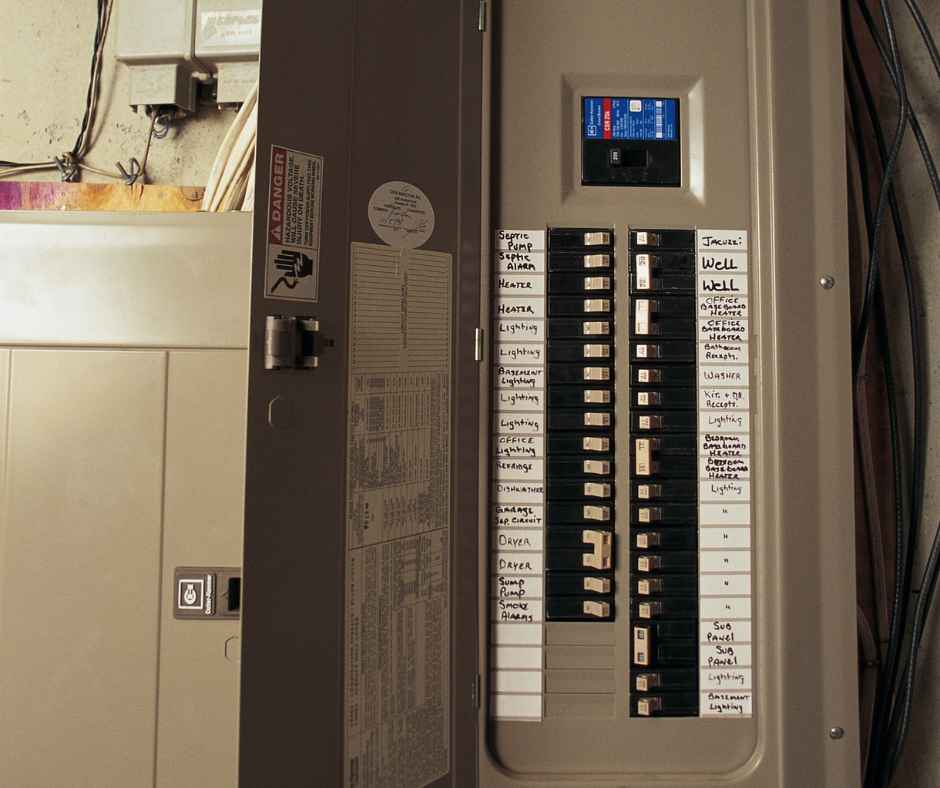
Your electrical panel distributes electricity throughout your home and contains circuit breakers designed to protect wiring from certain overloads and short circuits. Because the panel plays such an important role in electrical safety, you should inspect it before winter heating demands increase.
A professional electrical panel inspection can help identify deteriorating components, improper connections, and other conditions that may affect system performance.
During an inspection, a licensed electrician may evaluate:
- Panel condition: Checking for corrosion, moisture damage, overheating, or visible deterioration.
- Circuit breakers: Evaluating breaker condition and identifying signs of improper operation.
- Electrical connections: Inspecting accessible connections for damage or other concerns.
- Panel capacity: Reviewing whether the existing electrical service can support anticipated household demands.
- Circuit configuration: Identifying potential issues involving circuit sizing, wiring, or equipment connections.
Homeowners should never remove electrical panel covers or attempt internal inspections themselves. Electrical components can remain energized even when certain breakers are switched off.
If your panel frequently trips breakers, produces unusual sounds, or shows signs of overheating, arrange a professional electrical safety inspection.
Addressing electrical panel concerns before winter can help reduce the likelihood of problems when your household depends on consistent heating.
Understand Your Home’s Electrical Capacity and Heating Needs
Not all heating systems put the same demands on a home’s electrical equipment. Understanding these differences can help Seattle homeowners make informed decisions about heating upgrades and electrical safety.
Heat pumps, for example, transfer heat rather than generating it entirely through electrical resistance. This generally makes them more energy-efficient than traditional electric resistance heating systems.
However, heat pumps still require appropriately sized electrical circuits, and some systems include supplemental electric heating components that increase power demand during colder conditions.
Electric furnaces, baseboard heaters, and portable space heaters can also significantly increase household electrical use.
A home’s electrical capacity depends on several factors, including service size, existing circuits, connected equipment, and calculated household demand.
An electrician can perform a residential electrical load calculation to determine whether the current system can safely accommodate existing or planned heating equipment.
This evaluation is particularly useful when installing a new heat pump, replacing an electric furnace, adding supplemental heating, or upgrading other major appliances.
Importantly, adding electric heating equipment doesn’t automatically mean your home needs a larger electrical panel. A professional assessment can determine whether the existing capacity is sufficient or whether improvements are needed.
Check Outlets, Circuits, and Space Heater Safety
Portable space heaters can provide supplemental warmth during Seattle’s colder months, but improper use can create electrical and fire hazards.
Many portable electric heaters draw substantial power, especially at their highest settings. Connecting these devices to overloaded circuits or unsuitable extension cords can cause overheating.
To improve winter electrical safety, follow these precautions:
- Plug heaters directly into wall outlets: Avoid extension cords and power strips, which may overheat under sustained heating loads.
- Keep heaters away from combustible materials: Maintain at least three feet of clearance from curtains, bedding, furniture, and other flammable objects.
- Avoid overloading circuits: Limit the number of high-demand appliances used on the same circuit.
- Inspect cords and plugs: Stop using equipment with damaged insulation, loose plugs, or signs of overheating.
- Turn heaters off when unattended: Never leave portable heaters operating while sleeping or away from home.
If a circuit breaker repeatedly trips when a space heater operates, stop using the heater on that circuit and have the issue evaluated.
Repeatedly resetting a breaker without identifying the cause can allow an underlying electrical problem to continue.
Protect Your Electrical System From Seattle’s Winter Weather
Seattle’s winter weather introduces electrical concerns beyond increased heating demand. Heavy rainfall, persistent moisture, and occasional windstorms can affect outdoor electrical equipment and create conditions that require additional precautions.
Water intrusion can damage electrical connections, outlets, and other components. Outdoor equipment may also deteriorate when protective covers or enclosures are damaged.
Before winter, visually inspect accessible outdoor electrical areas for obvious problems. Pay particular attention to exterior outlets, weatherproof covers, outdoor lighting, and electrical equipment exposed to the elements.
Ground-fault circuit interrupter (GFCI) protection is especially important in locations where moisture increases the risk of electrical shock. These devices help interrupt power when certain ground-fault conditions occur.
Homeowners should also keep vegetation and loose outdoor objects away from electrical equipment where practical.
Following severe weather, avoid approaching fallen power lines or touching electrical equipment that appears damaged or submerged.
If you suspect water has entered an electrical panel, outlet, or other electrical component, contact a qualified electrician before using the affected equipment.
Consider Electrical Upgrades for Modern Heating Systems
As homeowners replace older heating equipment with modern electric systems, electrical capacity becomes an important consideration.
Heat pumps and other electric heating technologies can provide efficient home comfort, but installation requirements vary depending on equipment size, electrical specifications, and existing household infrastructure.
Some homes may already have sufficient electrical capacity for a new heating system. Others may require dedicated circuits, wiring improvements, or electrical service upgrades.
Common electrical improvements associated with heating installations include:
- Installing dedicated circuits for new heating equipment.
- Updating wiring to meet equipment requirements.
- Replacing damaged or outdated electrical components.
- Evaluating electrical panel capacity for additional loads.
- Installing appropriate disconnects and protective devices.
A licensed electrician can determine which improvements are necessary based on the equipment being installed and applicable electrical requirements.
For Seattle homeowners considering heating upgrades, coordinating electrical planning with HVAC installation can help prevent delays and ensure the equipment has the electrical support it needs.
Recognize Warning Signs of Winter Electrical Problems
Electrical problems don’t always cause immediate power outages. In some cases, smaller warning signs appear before a more serious issue develops.
Recognizing these signs can help homeowners decide when they need professional electrical repairs.
Common warning signs include:
- Frequently tripping breakers: Repeated trips may indicate overloaded circuits, faulty equipment, or wiring problems.
- Flickering or dimming lights: Persistent or unusual fluctuations may suggest issues with electrical connections or circuits.
- Warm outlets or switches: Excessive heat can indicate a potentially hazardous electrical condition.
- Buzzing sounds: Unusual noises near electrical equipment may signal problems requiring inspection.
- Burning odors: A burning smell near outlets, switches, or panels may indicate overheating.
If you notice sparking, smoke, or burning odors, stop using the affected equipment and seek professional assistance immediately. Contact emergency services if there is an active fire or immediate danger.
Never ignore repeated electrical problems just because your heating system keeps running. An early evaluation can identify the cause and reduce the risk of further damage.
Prepare Your Seattle Home for Winter With As You Wish
Preparing your home’s electrical system for winter is an important part of keeping heating safe and dependable throughout Seattle’s colder months.
Scheduling an electrical inspection, understanding your heating equipment’s power requirements, practicing space heater safety, and checking outdoor electrical components can help reduce preventable problems.
While homeowners can do basic visual checks and follow safe equipment practices, qualified professionals should always handle electrical panel inspections, load calculations, and wiring repairs.
At As You Wish Electric, Plumbing, Heating & Air, we understand the importance of keeping Seattle-area homes comfortable and their electrical systems operating safely. Our team can help evaluate electrical concerns, identify necessary improvements, and provide professional solutions for your home’s changing needs.
Whether you’re preparing for increased winter heating demands, considering a new heating system, or experiencing electrical warning signs, professional service can help you move forward with confidence.
Contact As You Wish Electric, Plumbing, Heating & Air today to schedule an electrical inspection, repair, or upgrade, and help prepare your Seattle home for winter.

Have Your Home Comfort Wishes Granted Today!
Need help with your electrical, plumbing, heating, or cooling system? As You Wish is available 24/7 to get your home back on track. Schedule your service today. Comfort Granted.

