Electrical Panel Replacement vs. Service Upgrade: What Seattle Homeowners Should Choose
Seattle homeowners should choose to replace the electrical panel when the existing panel is damaged, outdated, unsafe, or out of breaker space, but the home’s electrical service size is still adequate. A service upgrade is needed when the home needs more total power from the utility, often for EV chargers, heat pumps, hot tubs, major remodels, additions, or modern all-electric appliances.
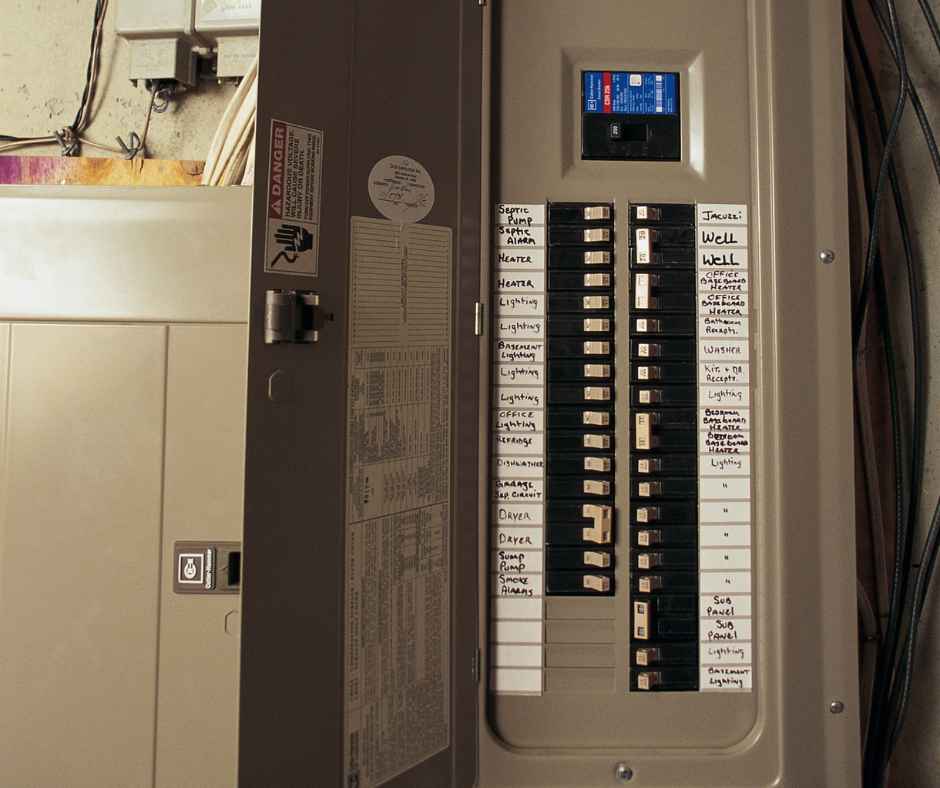
Your electrical panel is the distribution point for power inside your home. Your electrical service is the total amount of power delivered to that panel from the utility. They are connected, but they are not the same thing. That is why a homeowner may need a panel replacement, a service upgrade, or both.
In this guide, we will explain the difference between electrical panel replacement and service upgrades, when each option makes sense, and how As You Wish Electric, Plumbing, Heating & Air can help Seattle homeowners choose the safest and most practical solution.
Why Seattle Homeowners Are Asking This Question
Seattle homes are using more electricity than ever. Older homes that were once powered by basic lighting, small appliances, and gas systems may now support modern HVAC equipment, induction ranges, electric dryers, home offices, smart devices, EV chargers, heat pumps, and backup power systems.
At the same time, many Seattle homeowners are remodeling older homes, finishing basements, converting garages, upgrading kitchens, or moving toward electrification. These changes can expose limits in the electrical system.
You may be asking about panel replacement or service upgrade if you are planning:
- EV charger installation
- Heat pump installation
- Electric water heater upgrade
- Hot tub or sauna
- Kitchen remodel
- Home addition
- Basement finish
- Garage conversion
- Induction range
- Electric dryer
- Whole-home surge protection
- Backup generator or battery system
- Solar readiness
- More dedicated circuits
The right solution depends on whether the issue is the panel itself, the total available power, or both.
What Is Electrical Panel Replacement?
Electrical panel replacement means replacing the existing breaker panel with a newer panel. In many cases, the service size stays the same. The goal is to improve panel safety, reliability, breaker space, labeling, compatibility, and condition.
A panel replacement may be needed when:
- The panel is outdated
- Breakers trip often
- The panel is damaged
- There is rust or corrosion
- Breakers are loose or unreliable
- The panel is full
- The panel is poorly labeled
- The home still has an old fuse box
- The panel shows signs of overheating
- Replacement breakers are hard to find
- Previous electrical work was done incorrectly
Panel replacement is often the right choice when the home’s total electrical service is adequate, but the equipment distributing power inside the home is no longer safe or practical.
What Is an Electrical Service Upgrade?
An electrical service upgrade increases the amount of power available to the home. This often means upgrading from an older service size to a larger capacity that can support modern electrical demand.
A service upgrade may involve:
- Utility coordination
- New meter equipment
- Larger service conductors
- Updated main disconnect
- New electrical panel
- Grounding and bonding updates
- Permit and inspection coordination
- Load calculation
- Possible service mast or service entrance changes
A service upgrade is usually needed when the home does not have sufficient total capacity to meet planned electrical loads. In other words, the panel may not just need to be replaced. The entire electrical service may need to support more power.
The Simple Difference: Panel vs. Power
Think of the electrical panel as the traffic control center. Think of the electrical service as the size of the road bringing power to the home.
A panel replacement improves the control center. A service upgrade expands the road.
Panel replacement may solve problems like:
- Outdated breaker panel
- Damaged equipment
- Lack of breaker space
- Poor circuit labeling
- Unsafe panel condition
- Breakers that no longer function properly
A service upgrade may solve problems like:
- Not enough total electrical capacity
- New EV charger demand
- Heat pump or HVAC upgrade
- All-electric appliance conversion
- Major home addition
- Remodel requiring more load
- Multiple high-demand systems running together
Sometimes both are needed. A home may have an outdated panel and insufficient service capacity.
Signs You May Only Need Panel Replacement
A panel replacement may be sufficient if the home’s total electrical demand is not increasing significantly and the main concern is safety, age, or the panel’s condition.
You may only need panel replacement if:
- The panel is old but service capacity is adequate
- The panel is rusted or damaged
- Breakers are failing
- The panel is full but load calculations still work
- You need a safer or better breaker organization
- You are replacing an outdated fuse box
- You are correcting poor past electrical work
- The panel cannot accept modern breaker types
- The home is not adding major new electrical loads
A professional inspection can determine whether the existing service can still support the home safely.
Signs You May Need a Full Service Upgrade
A service upgrade is more likely when the home is adding high-demand electrical equipment or moving away from gas appliances. Seattle homeowners planning electrification should pay close attention to total load.
You may need a service upgrade if you are adding:
- EV charger
- Heat pump
- Electric furnace or air handler
- Electric tankless water heater
- Induction range
- Electric dryer
- Hot tub
- Sauna
- Large workshop equipment
- Major addition
- ADU electrical loads
- Multiple dedicated appliance circuits
You may also need a service upgrade if:
- The home has an older, low-capacity service
- Breakers trip when multiple systems run
- The panel upgrade alone will not meet load requirements
- Your electrician’s load calculation shows insufficient capacity
- The utility or permit process requires service changes
- You want to future-proof the home for electrification
If your goal is to add power-hungry equipment, replacing the panel without upgrading service may not be enough.
Why Seattle Electrification Makes This Decision Important
Many Seattle homeowners are moving toward electric systems for comfort, efficiency, and long-term home planning. Heat pumps, EV chargers, induction cooking, and electric water heating can all be excellent upgrades, but they also change electrical demand.
A home that was fine with its old service may need more capacity once several upgrades are combined.
Common electrification combinations include:
- Heat pump plus EV charger
- Induction range plus electric dryer
- Electric water heater plus heat pump
- Basement remodel plus home office loads
- ADU addition plus new appliance circuits
- Hot tub plus outdoor living upgrades
A load calculation helps determine whether your current service can safely handle these changes.
Why Breaker Space Is Not the Same as Capacity
Homeowners often assume that if there is an open breaker slot, they can add another circuit. That is not always true. Breaker space and electrical capacity are different.
Your panel may have open spaces but not enough total service capacity for a new high-load appliance. Or the panel may be physically full while the home’s overall service still has enough capacity.
This is why electricians look at:
- Main service size
- Existing connected loads
- Heating and cooling equipment
- Major appliances
- Planned upgrades
- Dedicated circuits
- Panel condition
- Code requirements
- Future expansion needs
The answer is not based solely on open breaker slots.
Common Warning Signs Your Panel Needs Attention
Whether you need panel replacement or a service upgrade, warning signs should not be ignored.
Call an electrician if you notice:
- Frequent breaker trips
- Lights flickering or dimming
- Buzzing from the panel
- Burning smell near the panel or outlets
- Warm outlets or switches
- Scorch marks
- Rust or corrosion
- Breakers that will not reset
- Crackling sounds
- Old fuse box
- Extension cords used as a permanent power source
- Appliances struggling to run together
- Panel cover feels warm
- Unlabeled or confusing circuits
Burning smells, buzzing, heat, and scorch marks should be treated as urgent signs.
Repair, Replace, or Upgrade: How to Decide
The best choice depends on inspection results, load requirements, and your plans for the home.
Panel repair may make sense if:
- The panel is modern
- The issue is isolated
- A single breaker needs replacement
- There is no damage or corrosion
- The service capacity is adequate
- The home is not adding major loads
Panel replacement may make sense if:
- The panel is outdated or unsafe
- Breakers are unreliable
- The panel is damaged
- More circuit organization is needed
- The service size is still adequate
- You need modern compatibility
Service upgrade may make sense if:
- The home needs more total power
- You are adding high-demand equipment
- You are electrifying appliances
- A load calculation shows limited capacity
- The current service is too small for future plans
- You want to reduce overload risk
In many Seattle homes, the right answer may be a panel replacement as part of a larger service upgrade.
What Happens During the Evaluation?
As You Wish Electric, Plumbing, Heating & Air can evaluate the electrical system and explain what your home actually needs. The goal is to avoid unnecessary work while ensuring the system is safe and ready to meet modern demand.
An electrical evaluation may include:
- Inspecting the existing panel
- Checking service size
- Reviewing breaker condition
- Looking for rust, heat, or damage
- Evaluating grounding and bonding
- Reviewing existing circuits
- Discussing planned upgrades
- Performing a load calculation
- Checking available breaker space
- Explaining permit and utility considerations
- Recommending repair, replacement, or upgrade
This step is especially important before installing EV chargers, heat pumps, hot tubs, or major appliances.
How to Future-Proof Your Seattle Home
If you are already opening the panel or planning a major project, it may make sense to think beyond today’s needs. Future-proofing can help avoid the need for repeat electrical work later.
Consider future needs such as:
- EV charging
- Second EV charger
- Heat pump conversion
- Electric water heating
- Induction cooking
- Basement remodel
- ADU or rental space
- Outdoor living circuits
- Workshop power
- Solar or battery storage readiness
- Whole-home surge protection
You do not need to install everything at once, but your electrical plan should account for where the home is headed.
Why Professional Installation Matters
Panel work and service upgrades are not DIY projects. They involve utility power, permitting, code compliance, grounding, bonding, load calculations, and safety requirements.
Professional electrical work helps protect:
- Your home
- Your appliances
- Your HVAC equipment
- Your family
- Your future remodel plans
- Your insurance and resale documentation
A properly planned upgrade can also reduce nuisance breaker trips, improve safety, and support modern home comfort systems.
Call As You Wish for Panel Replacement or Service Upgrade Help
Call As You Wish Electric, Plumbing, Heating & Air if your Seattle home has frequent breaker trips, flickering lights, an outdated panel, limited breaker space, corrosion, or plans for EV charging, heat pumps, hot tubs, remodels, additions, or all-electric appliances. These signs may mean your home needs panel replacement, a service upgrade, or both.
Panel replacement is the right choice when the panel itself is outdated, unsafe, damaged, or out of space. A service upgrade is the better choice when your home needs more total power. Contact As You Wish Electric, Plumbing, Heating & Air today to schedule an electrical evaluation. Our team can help you choose the safest, most practical path for your Seattle home.