
Rated 4.9 out of 3,472+ Reviews





Seattle’s #1 Choice
Seattle Power Outages: Should Your Home Invest in a Standby Generator?

4.9 Stars
3,472+ Google Reviews

Satisfaction
Is Our Guarantee

Same-Day Service
Fast & Reliable
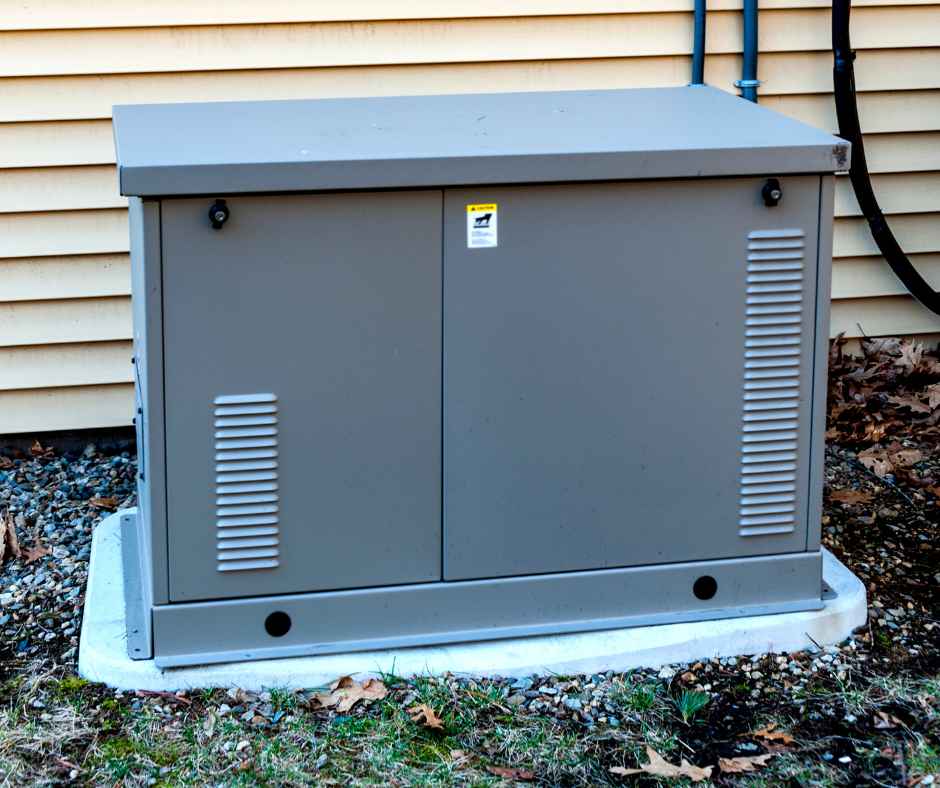
A standby generator can be a worthwhile investment for Seattle homeowners when a power outage would interrupt heating, refrigeration, medical equipment, internet access, pumps, or other systems the household depends on. Unlike a portable generator, a permanently installed standby system can detect an outage and restore power automatically through properly installed transfer equipment.
In this guide, you will learn how standby generators work, what size your home may need, which household systems are worth prioritizing, and what factors affect installation cost. The goal is to help you decide whether automatic backup power makes sense for your Seattle home before the next outage leaves you in the dark.
Is a Standby Generator Worth It for a Seattle Home?
For some households, absolutely. The value depends less on how inconvenient an outage feels and more on what stops working when utility power disappears.
A standby generator may be especially useful if your home depends on electricity for:
- Heating equipment
- Refrigerators and freezers
- Medical devices
- Internet and communications
- Security systems
- Well or sump pumps
- Garage access
- Essential lighting
- Home-office equipment
A homeowner who experiences only brief outages and can comfortably manage without most electrical systems may not need the same level of backup protection.
Start by identifying what you truly need to keep running during an outage.
What Can a Seattle Power Outage Shut Down in Your Home?
Modern homes rely on electricity for far more than lights and televisions.
Even natural-gas heating equipment may still depend on electricity for blowers, thermostats, ignition systems, pumps, or controls. Heat pumps depend on electricity directly, and many water-heating, security, communications, and refrigeration systems do as well.
During an outage, homeowners may lose:
- Heating or cooling
- Refrigeration
- Internet service
- Home-office equipment
- Medical equipment
- Security systems
- Cooking appliances
- Pumps
- Charging for phones and other devices
The longer an outage lasts, the more disruptive those losses become.
If a household includes someone who relies on powered medical equipment or refrigerated medication, backup power can move from convenience to a much more important planning consideration.
How Does a Standby Generator Work During an Outage?
A standby generator is permanently installed outside the home and connected to the electrical system through appropriate transfer equipment.
When utility power fails, the system detects the outage and begins the backup sequence automatically. The transfer equipment isolates the home from utility power before allowing generator power to feed selected circuits or the electrical service.
The basic process is:
- Utility power fails
- The generator system detects the outage
- The transfer switch isolates utility service
- The generator starts
- Selected circuits receive backup power
- Utility power returns
- The transfer switch reconnects the home to normal service
- The generator shuts down after its operating sequence completes
This automatic operation is one of the main advantages of a standby system.
You do not have to move equipment outside, run extension cords, refuel a portable unit in bad weather, or be home when the outage begins.
How Do You Know What Size Generator Your Home Needs?
Base generator size on the electrical loads you want to run, not simply your home’s square footage.
Two houses of similar size can have very different electrical requirements. One may use gas heat and a gas range, while another relies heavily on electric HVAC equipment, cooking appliances, pumps, and other high-demand systems.
Generator sizing may consider:
- Heating equipment
- Refrigerator and freezer
- Pumps
- Lighting
- Medical devices
- Kitchen circuits
- Internet equipment
- Security systems
- Other essential electrical loads
Certain motors, compressors, and pumps can require more power at startup than during normal operation. You also need to consider that startup demand.
A professional load calculation helps determine how much capacity the system needs, rather than relying on a broad estimate that may be too large or too small.
Do You Need to Power the Whole House or Just Essential Circuits?
Not necessarily.
Some homeowners want broad backup coverage so the home operates almost normally during an outage. Others only want to keep the most important systems running.
Essential-load backup might prioritize:
- Heating
- Refrigeration
- Medical equipment
- Internet
- Selected lights
- A few outlets
- Sump or well pumps
Limiting backup power to essential circuits can reduce the amount of generator capacity required. That may also simplify the installation and lower equipment and fuel requirements.
Whole-home coverage may make more sense if you want greater convenience or rely on several high-demand systems during outages.
The best approach depends on your priorities. Decide what you cannot comfortably go without before deciding how large the generator should be.
What Fuel Source Should Your Standby Generator Use?
Fuel availability is another important part of generator planning.
Common standby-generator fuel options include natural gas and propane.
Natural gas may be practical when:
- Utility gas is already available
- Existing gas service can support the added load
- You prefer not to maintain an on-site fuel reserve
Propane may be practical when:
- Natural gas is unavailable
- The property can accommodate a storage tank
- You prefer fuel stored on site
Neither option is automatically better for every Seattle property.
Fuel-system capacity matters because a generator needs an adequate and consistent fuel supply to produce its rated output. You may need to evaluate existing gas piping or service as part of the installation.
Fuel planning should happen before you select the final generator, not after the equipment arrives.
What Is Involved in Professional Standby Generator Installation?
Standby generator installation is more involved than placing equipment beside the house.
A complete project may include:
- Electrical load assessment
- Generator sizing
- Site evaluation
- Equipment placement
- Transfer-switch installation
- Electrical connections
- Fuel connections
- Site preparation
- Permitting or approvals
- Startup and system testing
Generator placement needs careful consideration. The unit must be located where it can operate safely, remain accessible for maintenance, and meet applicable clearance requirements.
The electrical side of the project must also integrate correctly with the home’s existing service.
In some cases, additional electrical or fuel-system work may be necessary before the generator can operate properly.
Treat a standby generator as a permanent home system, not simply another appliance.
Why Is a Transfer Switch Essential for Generator Safety?
A transfer switch is one of the most important safety components in a standby generator installation.
It isolates the home from utility power before generator electricity supplies the electrical system.
Without proper transfer equipment, generator electricity could feed back onto utility lines. This creates a serious hazard for utility workers and others who may believe the line is de-energized.
A properly installed system also prevents generator power and utility power from being connected to the home at the same time.
Homeowners should never attempt to improvise a connection between a generator and household wiring.
A permanently connected standby system requires properly selected and professionally installed transfer equipment.
What Affects the Cost of a Standby Generator in Seattle?
No single installation price applies to every home.
The total cost can depend on:
- Generator capacity
- Generator model
- Transfer-switch type
- Fuel source
- Fuel-line requirements
- Generator location
- Distance from the electrical panel
- Site preparation
- Electrical modifications
- Permits
- Installation complexity
A smaller generator located near the electrical service and an existing fuel connection may require a much simpler installation than a larger system installed farther from the home.
Electrical upgrades can also influence cost if the existing equipment needs modification before the generator can be integrated safely.
This is why an on-site evaluation is more useful than relying on a generic national price range.
The estimate should reflect the actual home and the amount of backup power you want.
What Maintenance Does a Standby Generator Need?
A standby generator only provides useful backup power if it starts when the outage occurs.
Routine maintenance may include:
- Battery inspection
- Oil and filter service
- Fuel-system checks
- Electrical inspection
- Reviewing fault codes
- Monitoring exercise cycles
- Checking connections
- Testing automatic operation
Many standby generators run scheduled exercise cycles to confirm the engine can start.
That doesn’t mean you can ignore the system between outages. Batteries age, fluids need service, and mechanical or electrical faults can develop even when the generator is rarely used for actual backup power.
Pay attention to warning indicators and maintenance reminders instead of assuming the generator is ready because it worked during the last outage.
Backup power is only dependable when the equipment itself is maintained.
Who Benefits Most From a Standby Generator?
A standby generator provides the most value when an extended outage would create significant disruption or risk.
It may be a strong fit if:
- Someone in the home relies on powered medical equipment
- Medication requires refrigeration
- Your heating equipment depends on electricity
- You work from home
- You rely on pumps
- You want your security system operating
- You have experienced disruptive outages before
- You want automatic backup when you are away
The investment may be less compelling if short outages cause little disruption and a smaller backup solution can cover your essential needs.
Think about how your household actually functions during a power failure. That gives you a much better answer than choosing a generator simply because backup power sounds convenient.
Plan for the Next Outage Before the Lights Go Out
A standby generator can provide valuable peace of mind for Seattle homeowners who depend on electricity for heating, refrigeration, medical needs, communications, pumps, or other essential systems. The best setup is sized to the electrical loads you actually need and installed with the right transfer equipment, fuel supply, and safety considerations.
Whole-home coverage is not necessary for every property. Some homeowners can meet their needs with essential-circuit backup, while others may want a larger system that keeps more of the home functioning normally.
As You Wish Electric, Plumbing, Heating & Air helps Seattle and Greater Puget Sound homeowners evaluate electrical loads, select appropriately sized standby generators, complete professional installations, and maintain backup-power systems over time. To prepare your home for the next outage, contact us today to schedule a standby generator consultation.

Have Your Home Comfort Wishes Granted Today!
Need help with your electrical, plumbing, heating, or cooling system? As You Wish is available 24/7 to get your home back on track. Schedule your service today. Comfort Granted.

