
Rated 4.9 out of 3,539+ Reviews





Seattle’s #1 Choice
PNW Winter Storm Prep: Sump Pump & Drain Cleaning Checklist For Heavy Rain

4.9 Stars
3,539+ Google Reviews

Satisfaction
Is Our Guarantee

Same-Day Service
Fast & Reliable
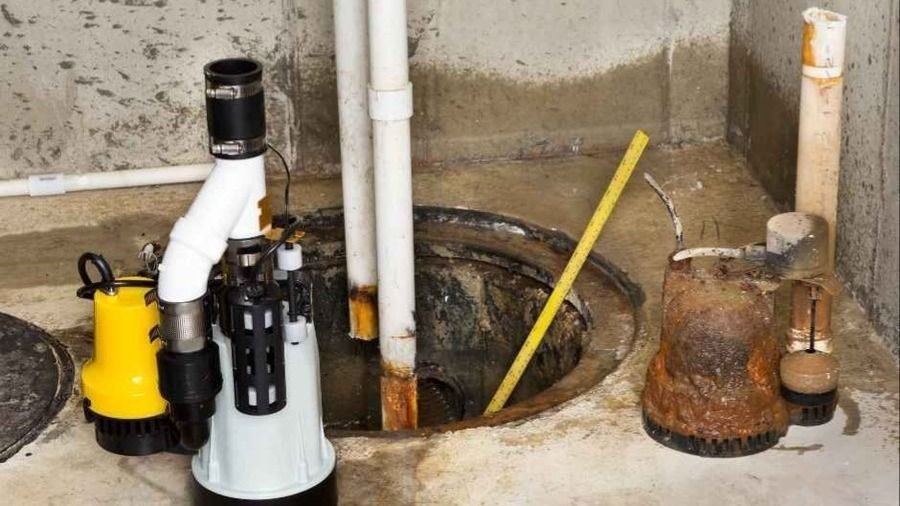
Winter in the Pacific Northwest brings more than chilly temperatures. For homeowners throughout Seattle, Bellevue, Kirkland, and surrounding Puget Sound communities, prolonged rainfall, strong winds, and saturated soil can create serious drainage concerns. When heavy rain arrives, a malfunctioning sump pump or blocked drain can leave basements, crawl spaces, and other vulnerable areas exposed to water damage.
Preparing your home’s plumbing and drainage systems before winter storms arrive can help reduce the risk of flooding and unexpected repairs. From checking sump pump operation to clearing leaves from outdoor drains, preventative maintenance is especially important during Western Washington’s rainy season.
In this guide, we’ll explain how to prepare your sump pump for heavy rain, which drains deserve attention before a storm, and what Seattle-area homeowners can do to reduce the risk of water intrusion.
Why Does Heavy Winter Rain Put Seattle Homes at Risk?
Seattle and the surrounding Puget Sound region receive much of their annual rainfall during the cooler months. When rain continues for several days, soil around homes can become saturated, increasing the likelihood of surface runoff and groundwater accumulation.
Homes with basements, crawl spaces, or below-grade living areas may be particularly vulnerable. Water can enter through foundation openings, collect in low-lying areas, or overwhelm drainage systems that aren’t functioning properly.
Several factors can increase water intrusion risks:
-
Saturated soil: Prolonged rainfall can increase groundwater levels around foundations.
-
Sloped properties: Runoff may flow toward lower portions of a yard or home.
-
Clogged exterior drains: Leaves, pine needles, and debris can restrict stormwater drainage.
-
Poor grading: Ground that slopes toward a foundation can direct water toward the structure.
-
Blocked gutters: Overflowing roof drainage can concentrate water near exterior walls.
-
Sump pump problems: A malfunctioning pump may fail to remove collected groundwater.
These conditions are particularly relevant in established Seattle neighborhoods and hillside communities throughout Bellevue, Kirkland, and Renton. However, flooding risk depends on the individual property’s drainage design, soil conditions, and surrounding terrain.
Understanding how water moves around your home is an important first step in preparing for winter storms.
How Do You Check Your Sump Pump Before a Winter Storm?
A sump pump removes water that collects in a designated sump pit, typically in a basement or crawl space. When groundwater reaches a certain level, the pump activates and moves water through a discharge line to an appropriate location.
Because sump pumps may operate more frequently during heavy rain, checking their condition before winter storms is essential.
Use this sump pump maintenance checklist:
-
Check the power supply: Confirm that the pump is connected to its designated electrical source and that power is available.
-
Inspect the sump pit: Look for visible sediment, debris, or obstructions that could interfere with operation.
-
Check the float switch: Make sure the float can move freely without contacting nearby objects.
-
Test pump operation: Follow the manufacturer’s instructions, which may involve carefully adding water to the pit to trigger the pump.
-
Listen for unusual sounds: Grinding, rattling, or excessive vibration may indicate mechanical problems.
-
Inspect the discharge line: Look for visible leaks, disconnections, or blockages.
-
Confirm discharge direction: Make sure water is directed away from the foundation to an approved drainage location.
-
Review maintenance history: Consider a professional inspection if you haven’t checked the pump recently.
Never reach into a sump pit while the pump is energized, and don’t handle electrical components near standing water.
If the pump doesn’t activate, runs continuously, or struggles to remove water, you may need professional sump pump service before the next major storm.
Does Your Sump Pump Need a Battery Backup?
Heavy winter storms in Western Washington can bring strong winds and power outages. Because most residential sump pumps rely on household electricity, a power interruption can prevent the pump from operating when groundwater levels rise.
A battery backup sump pump adds an extra layer of protection by providing temporary pumping when the primary system loses power.
Homeowners considering a backup system should evaluate several factors:
-
Battery condition: Backup batteries require periodic inspection and eventual replacement.
-
Pumping capacity: The backup system must be appropriately sized for expected water inflow.
-
Available runtime: Battery life depends on pump activity, battery capacity, and operating conditions.
-
Automatic activation: Test the system to confirm it operates when needed.
-
Maintenance requirements: Backup equipment requires routine attention just like the primary pump.
A battery backup doesn’t provide unlimited protection. Extended outages, unusually high groundwater inflow, or equipment failures can still result in flooding.
For Seattle-area homes with recurring groundwater concerns, discussing backup options with a qualified professional can help determine whether additional protection is appropriate.
Which Drains Should You Clean Before Heavy Rain Arrives?
Sump pumps are only one part of a home’s water management system. Gutters, downspouts, exterior drains, and interior plumbing all play different roles in moving water away from living spaces.
During the Pacific Northwest’s rainy season, fallen leaves and pine needles can accumulate around drainage openings. These materials may restrict water flow and contribute to pooling around foundations, driveways, and low-lying areas.
Before heavy rain arrives, inspect these locations:
-
Basement floor drains: Check for slow drainage, unusual odors, or signs of existing blockages.
-
Laundry and utility drains: Confirm that sinks and other frequently used fixtures drain normally.
-
Yard drains: Remove accessible leaves, pine needles, and surface debris from drainage grates.
-
Driveway drains: Clear visible obstructions where runoff collects.
-
Gutters: Remove accumulated debris that prevents rainwater from flowing toward downspouts.
-
Downspouts: Check for visible blockages and confirm that water exits toward an appropriate location.
-
Outdoor drainage channels: Look for sediment, standing water, or other restrictions.
Distinguish between stormwater drainage and household sanitary plumbing. Yard drains and gutters generally manage rainwater, while sanitary sewer lines carry wastewater from toilets, sinks, and other fixtures.
These systems may have different connections and maintenance requirements. Homeowners should avoid assuming that clearing an indoor drain will resolve an exterior stormwater problem.
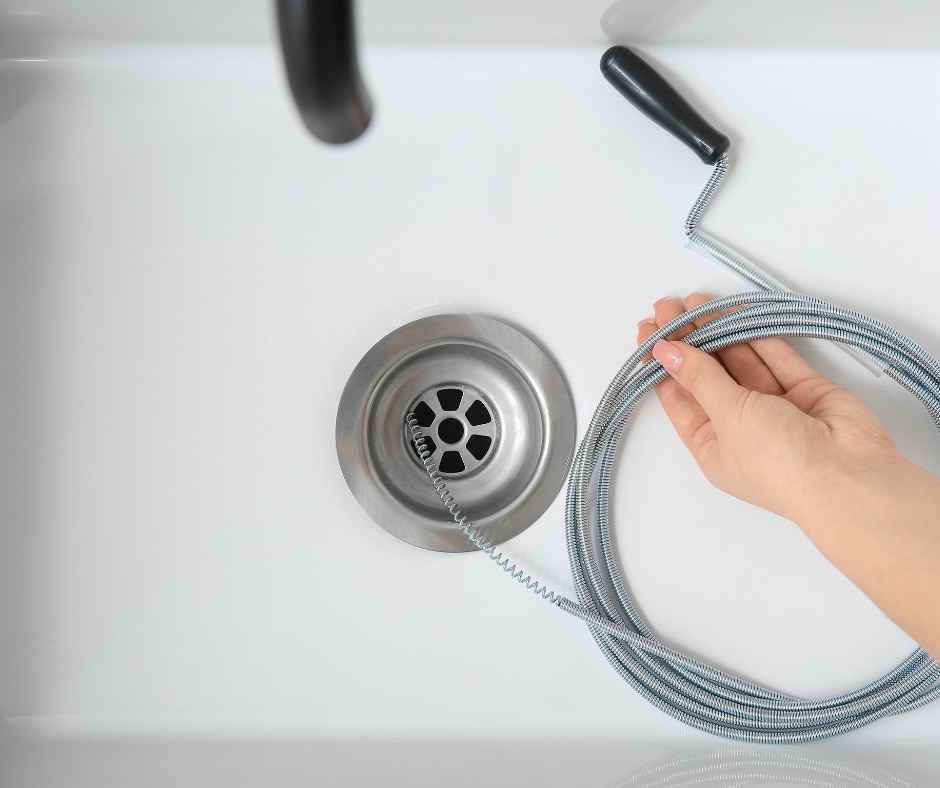
Professional drain cleaning may be appropriate when blockages extend beyond accessible surface debris or when household drains repeatedly back up.
What Are the Warning Signs of Drainage or Sewer Problems?
Drainage problems often develop gradually before becoming noticeable during heavy rainfall. Identifying warning signs early can help homeowners address existing issues before winter storms increase water management demands.
Common warning signs include:
-
Slow-draining fixtures: Water takes longer than usual to leave sinks, tubs, or floor drains.
-
Recurring clogs: Drainage problems return shortly after temporary clearing.
-
Gurgling noises: Unusual sounds may indicate drainage restrictions or plumbing venting concerns.
-
Persistent sewage odors: Unpleasant smells may indicate a problem requiring professional evaluation.
-
Multiple affected drains: Several fixtures backing up can suggest a larger drainage or sewer line issue.
-
Standing water near foundations: Persistent pooling may indicate inadequate grading or exterior drainage.
-
Moisture in basements or crawl spaces: Water intrusion may point to groundwater, foundation, or drainage concerns.
These symptoms don’t always share the same cause. For example, standing water near a foundation may result from poor surface drainage, while wastewater backing up into multiple fixtures may indicate a sanitary sewer problem.
If several indoor drains begin backing up, limit water use until you identify the cause. A professional plumbing inspection can help determine whether drain cleaning, pipe repair, or another solution is necessary.
How Can You Reduce Basement and Crawl Space Flooding Risks?
Basements and crawl spaces are particularly vulnerable when groundwater accumulates around a home’s foundation. While sump pumps can help manage collected water, preventing moisture problems often requires attention to exterior drainage and property conditions.
Seattle-area homeowners can take several preventative steps before winter storms:
-
Clean gutters regularly: Remove leaves and debris that prevent proper roof drainage.
-
Check downspout discharge: Direct water away from foundations where permitted and appropriate.
-
Inspect property grading: Look for areas where surface runoff moves toward the home.
-
Keep exterior drains clear: Remove accessible debris from yard and driveway drainage openings.
-
Monitor foundation moisture: Watch for damp walls, water stains, or recurring seepage.
-
Inspect crawl spaces: Check for standing water or persistent moisture when access is safe.
-
Test sump pumps: Confirm that existing equipment operates before heavy rain arrives.
-
Consider backup protection: Evaluate whether power outages could leave the property vulnerable.
Homes on sloped lots may require particular attention to runoff patterns. Water moving downhill can collect near retaining walls, foundations, or lower-level entrances when drainage systems are inadequate.
Persistent moisture should never be ignored. Over time, recurring water intrusion can contribute to building material deterioration and indoor air quality concerns.
If water repeatedly enters your basement or crawl space, professional evaluation can help identify whether the problem involves plumbing, groundwater, grading, or another source.
What Should You Do if Your Sump Pump Fails During a Storm?
A sump pump failure during heavy rainfall can quickly become concerning, especially when water levels are rising. Taking appropriate safety precautions is essential because flooding and electrical equipment can create dangerous conditions.
If your sump pump stops working:
-
Avoid flooded electrical areas: Never enter standing water when electrical outlets, wiring, or equipment may be energized.
-
Check for a power outage: Determine whether the home has lost electricity without approaching unsafe equipment.
-
Listen for pump operation: If conditions are safe, note whether the pump is running, cycling repeatedly, or making unusual noises.
-
Avoid handling electrical components: Don’t reach into the sump pit or attempt electrical repairs while equipment is connected to power.
-
Keep people away from affected areas: Limit access to spaces where flooding or electrical hazards may be present.
-
Contact a professional: Seek help if the pump fails, water levels keep rising, or flooding develops.
Sump pump problems can result from electrical failures, damaged float switches, blocked discharge lines, or mechanical issues. In some situations, the pump may also lack sufficient capacity to manage unusually high water inflow.
A professional inspection can help identify the cause and determine whether repair, replacement, or additional drainage improvements are appropriate.
Prepare Your Seattle Home for Winter Storms With As You Wish
Heavy winter rain is a familiar part of life in the Pacific Northwest, but unexpected water damage doesn’t have to be. Checking sump pump operation, keeping drainage pathways clear, and addressing warning signs before storms arrive can help reduce the risk of flooding and plumbing backups.
At As You Wish Electric, Plumbing, Heating & Air, we help homeowners throughout Seattle and surrounding Puget Sound communities address plumbing and drainage concerns. Whether you’re experiencing slow drains, questioning your sump pump’s performance, or preparing for another stretch of heavy rainfall, identifying potential problems early can help protect your home.
If you’re concerned about sump pump performance or drainage problems before the next winter storm, contact As You Wish Electric, Plumbing, Heating & Air today. Our team can evaluate your plumbing concerns and recommend solutions to help keep your home better prepared for the Pacific Northwest’s rainy season.
Have Your Home Comfort Wishes Granted Today!
Need help with your electrical, plumbing, heating, or cooling system? As You Wish is available 24/7 to get your home back on track. Schedule your service today. Comfort Granted.

