Why Is My Furnace Always Running? Common Issues and Fixes
As Seattle’s damp chill settles in, your furnace becomes the heartbeat of a cozy home, but it isn’t designed to run without pause in most conditions. While furnaces may run longer during extreme cold or in drafty homes, constant operation in Seattle’s mild climate often signals a problem. Nonstop cycling drives up energy costs and strains components until they fail. Identifying the cause early on helps you stay warm without surprise breakdowns.
Thermostat Misconfigurations That Keep Heat On
Settings on “hold” or “fan on” override normal cycles and force continuous operation. Switching from “auto” to “on” lets the blower run even when heat isn’t needed. Some thermostats also allow you to adjust cycle rate or heating differential. If these settings are too tight, the furnace may chase tiny temperature changes and run longer than necessary. In Seattle’s relatively mild winters, a small temperature swing—often around two to three degrees—is usually enough to maintain comfort without constant cycling.

Dirty Filters and Restricted Airflow
One of the most common dirty furnace filter symptoms shows up as weak airflow or uneven heating across rooms. When the filter clogs, the system strains to pull air through the restricted media, which can cause longer run times. Other dirty filter symptoms include higher energy bills and dust buildup around vents. Restricted airflow also increases the risk of the heat exchanger overheating, which may trigger safety shutoffs and keep the system running in abnormal cycles.
Fan Settings That Override Heating Cycles
An incorrect thermostat fan setting can keep the furnace running constantly. When the switch is set to “on” instead of “auto,” the blower runs nonstop, even when the burners aren’t heating. This makes it seem like the furnace never shuts off and wastes electricity. Simply switching the fan back to “auto” often solves the problem. If the fan still won’t cycle properly, a technician can inspect the fan relay and limit switch to ensure the blower only runs during active heating or when you manually turn it on.
Duct Leaks and Heat Loss in Unconditioned Spaces
A furnace may fail to shut off if the thermostat never registers your set temperature, often due to heat escaping through leaky ducts in attics or crawlspaces. Technicians perform a duct leakage test to pinpoint problem areas and seal joints with mastic. They may also add insulation to exposed runs to reduce heat loss into unheated areas. Fixing duct issues allows more heated air to reach living spaces, helping the thermostat reach setpoint so the furnace can cycle off as intended.
Heat Exchanger or Flame Sensor Issues
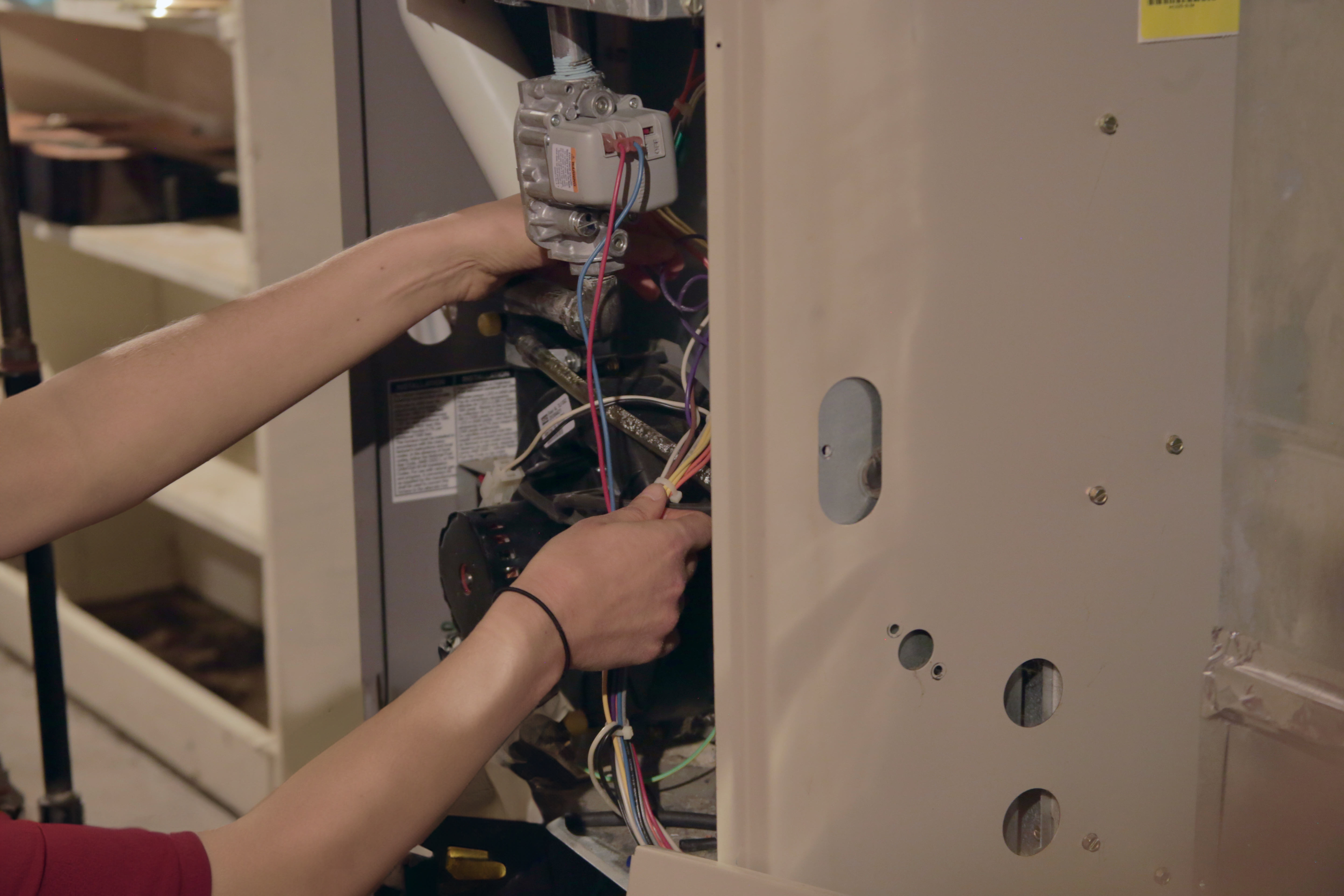
Problems with the heat exchanger or flame sensor can interfere with normal operation. A cracked heat exchanger may cause safety systems to shut burners off prematurely, while a dirty flame sensor often results in short cycling. In either case, the blower may continue to run briefly, making it appear the furnace isn’t shutting off. During heating repair visits, technicians use combustion analyzers to check for carbon monoxide, inspect the heat exchanger for fractures, and clean or replace the flame sensor so that ignition is verified reliably.
Oversized or Undersized Furnace Capacity
A mismatched furnace size can lead to efficiency and comfort issues. Oversized units heat the space too quickly, shutting off repeatedly in a process called short cycling. Undersized models, while less common in Seattle’s mild climate, may run longer than normal as they struggle to meet demand. Seattle furnace troubleshooting often includes a Manual J load calculation to match furnace capacity with home requirements. In addition, older furnaces may run longer than they should as efficiency declines with age and wear.
Electrical and Control Board Malfunctions
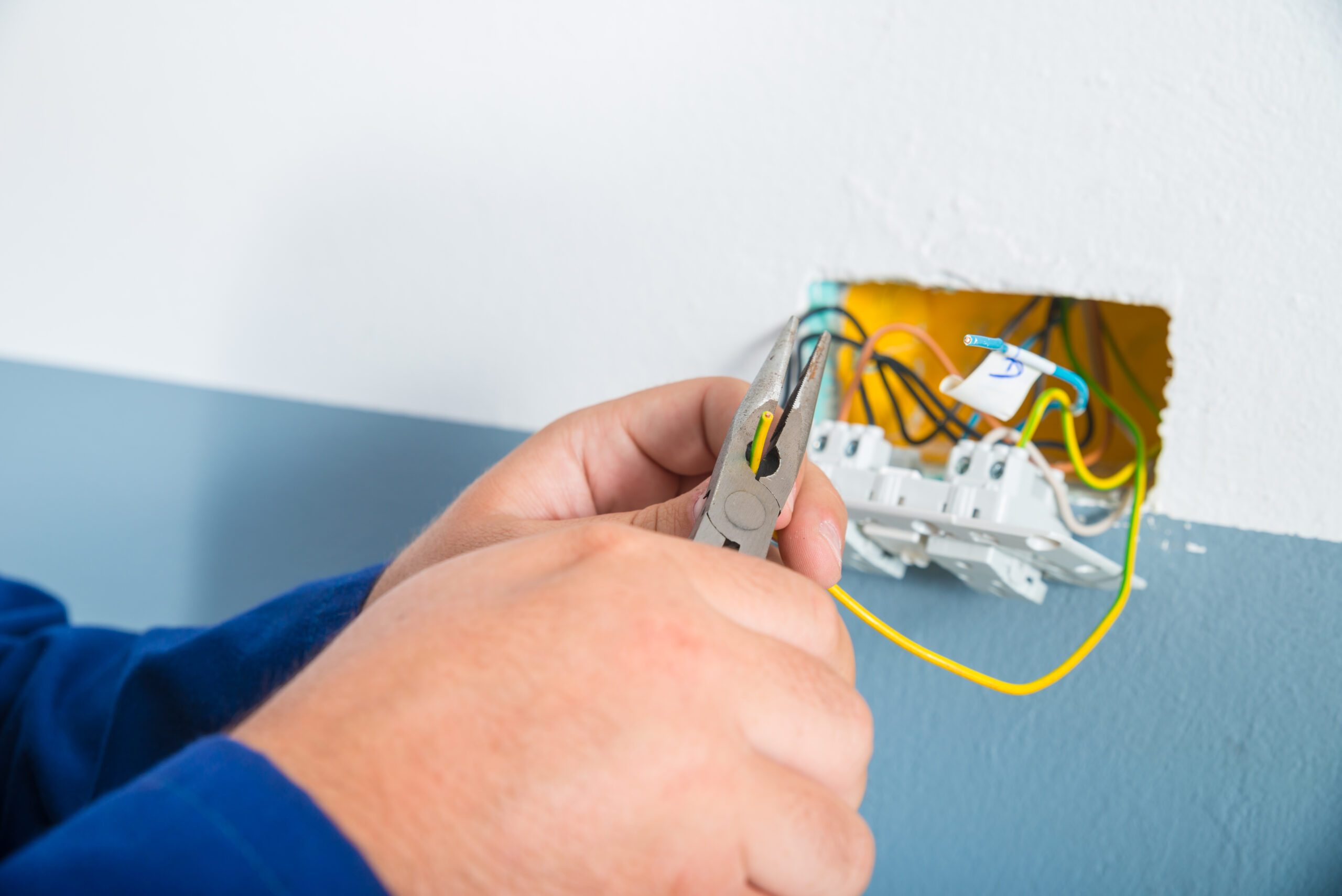
Faulty relays, burned contacts, or a failed control board are also reasons your furnace may seem like it’s running constantly. You might hear the blower motor running nonstop while the burners cycle on and off. Professionals test voltage at each terminal, use a multimeter to verify current draw, and replace any defective components with genuine OEM parts to restore normal cycling.
Gas Supply Issues and Pressure Fluctuations
Inconsistent gas pressure from the utility or drops in your home’s line can cause ignition problems or frequent shutdowns. Technicians check manifold pressure with specialized gauges and inspect regulators for wear. If pressure fluctuates, they may recommend a regulator or line upgrade so the furnace can deliver consistent heat and cycle properly.
Seattle Furnace Troubleshooting: When to Call the Pros
You can solve some issues by adjusting thermostat settings or replacing a dirty filter. But if your furnace won’t shut off, it’s time to call in the pros. Professional help is especially important if you notice a rotten egg smell, the system runs constantly but doesn’t heat your home, the thermostat is set correctly but the furnace won’t cycle off, your utility bills spike without explanation, or you hear strange sounds such as grinding, rattling, or banging. Calling a pro prevents small issues from escalating into system-wide failures and keeps your home warm without unexpected energy costs.
Take Care of Your Furnace Today
We provide professional furnace tune-ups, duct sealing, and thermostat upgrades to keep your heating balanced and efficient. If your furnace runs nonstop, call As You Wish in Seattle today for expert diagnosis and repair.