Tankless vs. Hybrid Water Heaters: Which Is Best for Seattle’s Climate & Household Size?
For many Seattle-area homes, a hybrid water heater is the better fit when energy savings is the top priority, and there is enough installation space. Tankless water heaters can be the better choice when space is tight, or your household wants long, continuous hot water use, but sizing matters because tankless units have flow-rate limits during simultaneous demand.
Seattle homeowners usually do not think about their water heater until hot water runs out, utility bills creep up, or an older unit fails at the worst possible time. But choosing the right replacement is not just about brand or price. In a climate like Seattle’s, where Sea-Tac normals average about 53.7°F annually, with cool, wet winters and relatively mild summers, the best option often comes down to how your home is laid out and how much hot water your household uses at the same time.
In this guide, you will learn the difference between tankless and hybrid water heaters, how Seattle’s climate affects each option, and which type tends to make the most sense for small, medium, and larger households.
What Is the Difference Between a Tankless and a Hybrid Water Heater?
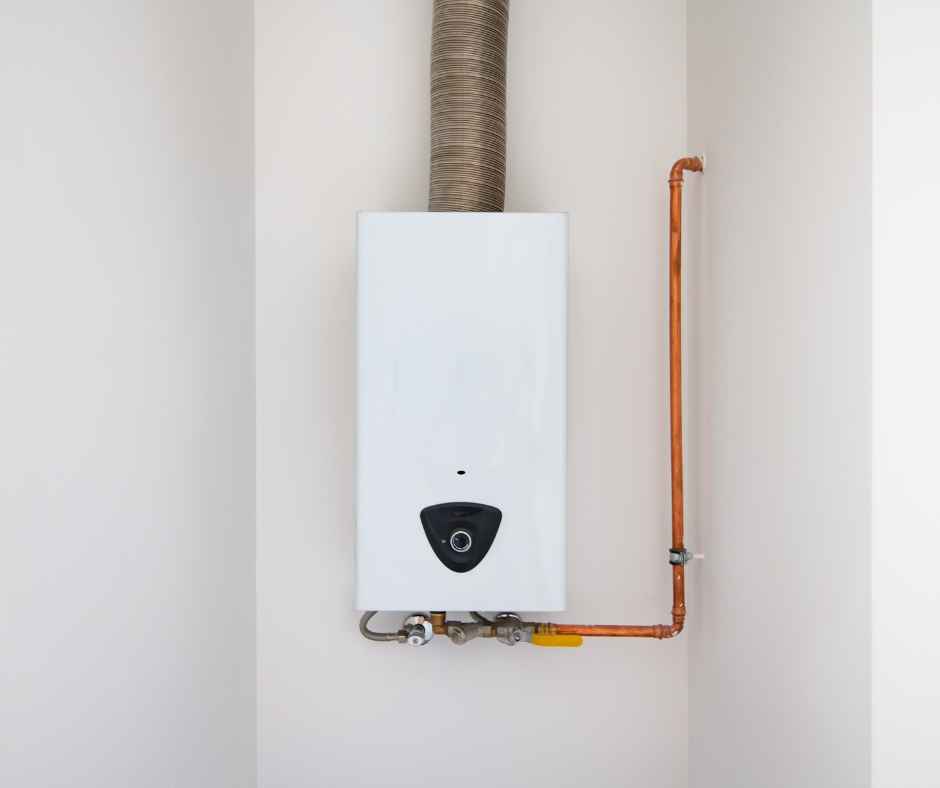
A tankless water heater heats water only when you need it, without storing hot water in a tank. The U.S. Department of Energy says tankless units avoid the standby heat losses associated with storage tanks and can provide a constant supply of hot water, but their output is limited by flow rate. Typical tankless flow rates range from about 2 to 5 gallons per minute, and even large gas units can struggle when multiple hot-water uses occur at once.
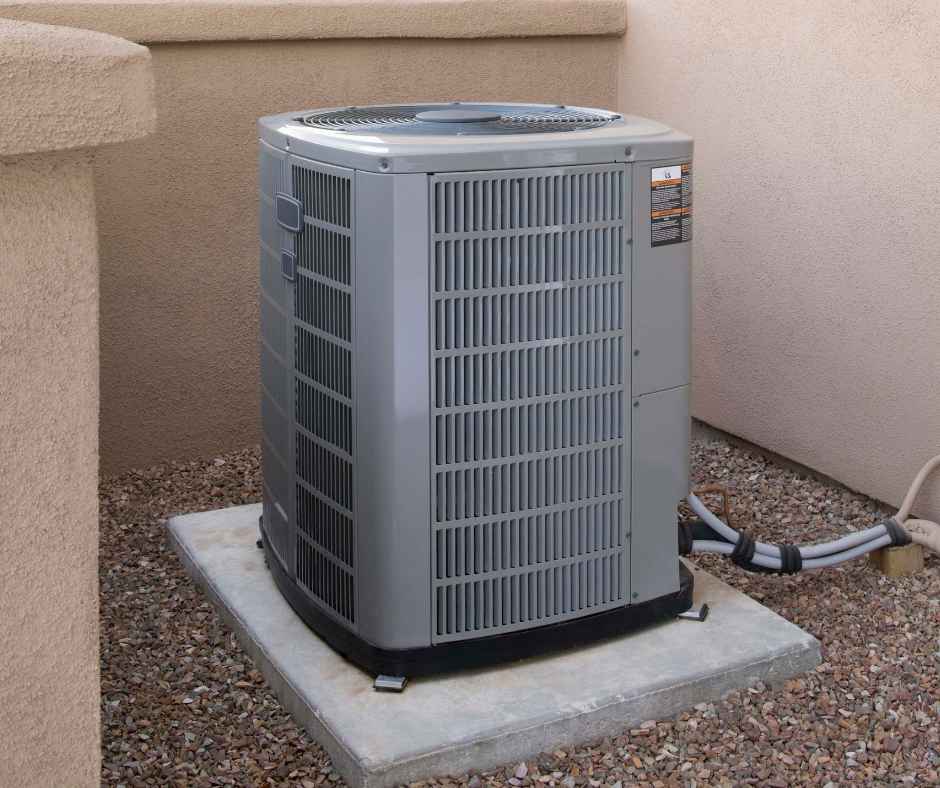
A hybrid water heater, also called a heat pump water heater, still uses a storage tank, but it heats water by moving heat from the surrounding air rather than generating it directly. DOE says this design can make hybrid units two to three times more energy-efficient than conventional electric-resistance water heaters.
Why Does Seattle’s Climate Matter?
Seattle’s climate is mild compared with many parts of the country. Sea-Tac normals show an annual average temperature of 53.7°F, average July and August highs around 77°F, and winter mean temperatures in the low 40s, with about 39.34 inches of annual precipitation. That moderate climate matters because hybrid water heaters perform best in spaces that stay within a workable temperature range rather than very cold rooms. DOE says heat pump water heaters need locations that remain roughly 40°F to 90°F year-round, while ENERGY STAR installation guidance says they typically perform best in spaces that do not regularly fall below 38°F.
That usually makes Seattle a more favorable market for hybrid water heaters than places with long stretches of severe cold. In many local homes, basements, garages, and utility spaces can support a hybrid unit if the installation area is large enough and stays above freezing.
When Is a Hybrid Water Heater the Better Choice?
A hybrid water heater is often the best choice when the homeowner wants to lower electric operating costs and has enough space for the unit to work properly. DOE says these systems can be two to three times more efficient than standard electric resistance models, and ENERGY STAR says an efficient heat pump water heater can save a household of four about $600 per year on electric bills compared with a standard electric model.
Hybrid systems also make sense in Seattle because they can provide some localized cooling and dehumidification while operating. ENERGY STAR says a heat pump water heater in heat-pump mode generally provides about 2,500 to 5,000 Btu/hour of cooling to the surrounding air, and that in summer a home can get some “free” localized cooling and dehumidification from that process.
The tradeoff is installation fit. DOE says heat pump water heaters need substantial surrounding air volume, and ENERGY STAR guidance says many traditional 240V models need at least 700 cubic feet of air space, though some need less, and exact requirements vary by model. They also work best in rooms that do not get too cold.
When Is a Tankless Water Heater the Better Choice?
Tankless water heaters are often the better choice when space is limited, when you want to avoid storing a large tank of hot water, or when your household wants long showers and continuous hot water without worrying about a tank running out. DOE says tankless systems provide hot water as needed and typically last more than 20 years, which is longer than the 10 to 15 years DOE cites for storage water heaters.
Tankless can also be a strong fit for Seattle homes with tight utility closets, remodel constraints, or households that value space savings as much as efficiency. But the system has to be sized correctly. DOE notes that simultaneous uses, such as showering while running the dishwasher, can push a tankless unit to its limit, especially in larger households. In some cases, more than one tankless unit is needed, which raises installation costs.
Which Is Better for a Small Household?
For a one- to two-person household, the answer often depends more on the home than on family size. DOE says tankless water heaters can be 24% to 34% more energy efficient than conventional storage-tank heaters in homes using 41 gallons or less of hot water per day, which often aligns with smaller households.
That means a small Seattle household in a condo, townhouse, or smaller home may lean toward tankless if installation space is tight and simultaneous demand is low. But a small household in a single-family home with a good basement or garage may still do very well with a hybrid model, especially if lowering electric bills is the main goal.
Which Is Better for a Medium-Size Household?
For many three- to four-person households, hybrid water heaters are often the safer all-around answer when the house has room for one. ENERGY STAR says heat pump water heaters deliver hot water comparable to or greater than standard electric-resistance tanks, and that choosing a larger tank is often beneficial because it increases stored hot water and lets the system rely more on the heat pump rather than backup resistance elements.
This tends to fit Seattle well. Many families want lower operating costs, predictable performance, and enough stored hot water for normal morning and evening demand. A properly sized hybrid water heater can check those boxes without the flow-rate pinch points that sometimes occur with tankless systems during overlapping showers, laundry, and dishwashing.
Which Is Better for a Large Household?
For larger households, the answer gets more situation-specific. Tankless systems sound appealing because they offer continuous hot water, but the DOE warns that even the largest gas-fired models may not be enough to support simultaneous heavy use in large homes. That is why some larger homes need multiple tankless units.
Hybrid systems can also work well for larger families, but sizing is critical. ENERGY STAR notes that heat pump water heaters should be sized using manufacturer guidance and that bigger tanks are often the better choice when space and budget allow. For Seattle families with enough room, a properly sized hybrid can be a strong fit. For families with extremely high peak demand or unusual usage patterns, tankless may still make sense, but only when the system is carefully designed around actual flow needs.
What Are the Biggest Installation Questions?
Before choosing either system, homeowners should look at four things:
- Available Space: Hybrid units need enough air volume and the right location; tankless units are often easier in tight spaces.
- Peak Hot Water Demand: Tankless units are limited by gallons-per-minute flow; hybrids depend more on tank size and recovery strategy.
- Energy Priorities: Hybrid units usually win on electric efficiency; tankless avoids standby losses and can be efficient, especially in lower-use homes.
- House Layout: A Seattle basement or garage may favor a hybrid, while a compact urban utility space may favor a tankless system.
So, Which Is Best for Seattle?
For many Seattle homes, hybrid water heaters are the best overall choice when there is enough installation space and the homeowner wants the strongest efficiency benefits. Seattle’s moderate climate makes hybrid operation more practical than in much colder regions, and the efficiency advantage can be significant.
But tankless water heaters are often the better fit for homes with limited space, lower daily hot-water use, or homeowners who prioritize endless hot water and long equipment life. The catch is that tankless systems must be sized around real-world simultaneous demand, not just square footage.
Quick Answer: Tankless or Hybrid?
- Choose a hybrid if you want maximum energy savings, have enough installation space, and need a strong everyday solution for a typical family.
- Choose tankless if space is tight, your household has lighter overlapping demand, or you want continuous hot water without a storage tank.
- Do not choose by price alone. Household size, simultaneous usage, and installation conditions matter just as much as the unit itself.
Need Help Choosing the Right Water Heater?
The best water heater for a Seattle home is the one that matches the way the household actually lives. A small home with limited space may benefit from a tankless. A larger home with the right utility area may save more over time with a hybrid system. The right answer depends on climate, layout, household size, and peak hot-water use.
As You Wish Electric Plumbing Heating & Air can help you compare tankless and hybrid water heaters based on your home’s setup and your family’s real hot-water demand. Contact As You Wish Electric Plumbing Heating & Air to schedule a water heater evaluation and get the right fit for your Seattle-area home.